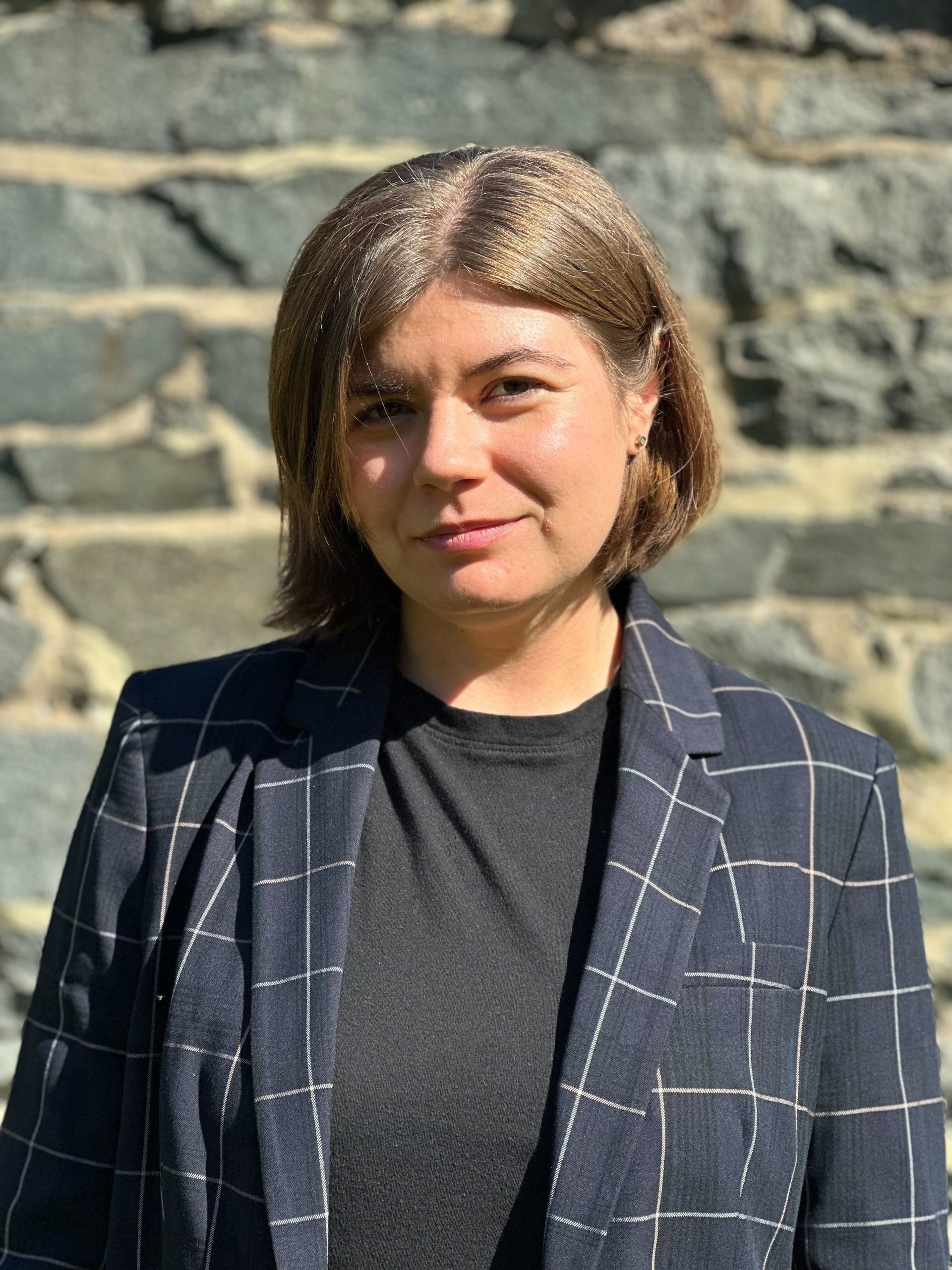
Iryna Adam
Iryna Adam is a former research associate at the Atlantic Council’s Digital Forensic Research Lab. Adam researches disinformation centered around weapons of mass destruction, with a focus on Ukraine, Russia, and Eastern Europe.
Adam previously served as team lead on partner communications at the Center for Strategic Communications and Information Security under the Ministry of Culture and Information Policy of Ukraine. In this role, she established the training program for civil servants and managed communications with international partners. She has also worked with National Democratic Institute Ukraine’s Research and Countering Disinformation Program, where she focused on building resilience and increasing the capacity of local organizations to combat Russian disinformation.
Adam holds an MA in security studies from Georgetown University, specializing in intelligence and emerging technologies. She also holds an MSc in public relations from Boston University, specializing in nonprofit communications. Her areas of expertise include disinformation, extremism, political polarization, information integrity, and strategic communications.