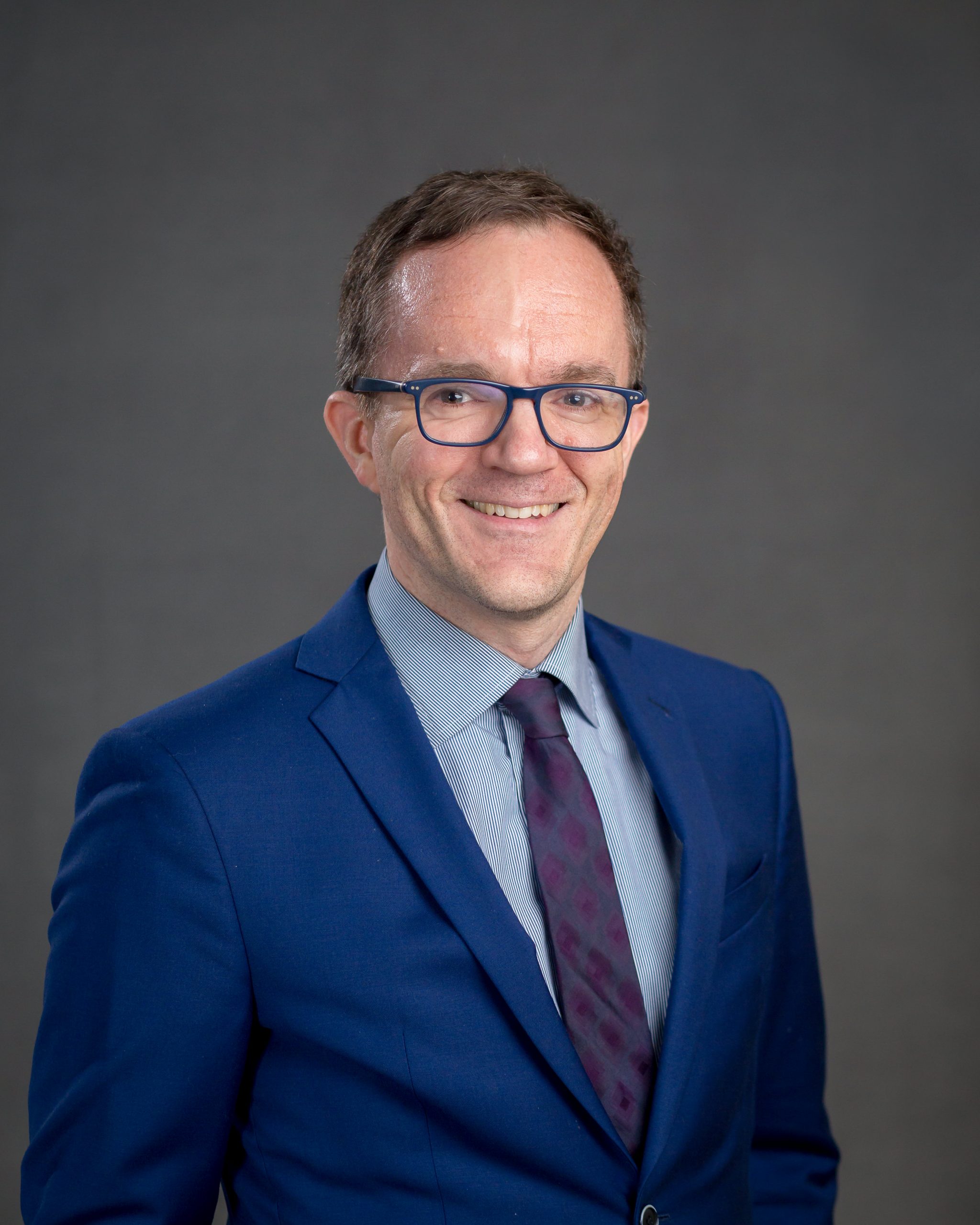
Iain Robertson
Iain Robertson is the deputy managing editor at the Atlantic Council’s Digital Forensic Research Lab (DFRLab) based in Washington, DC. In this capacity, he oversees the research process and its products while providing editorial leadership to DFRLab’s research team around the world.
Prior to joining the DFRLab, Iain held a number of positions within the Obama Administration. From 2012-2015, he served as a Staff Officer in the Executive Secretary’s office of the National Security Council (NSC). During his time in the NSC, Iain staffed the President on foreign trips and helped coordinate the processes on which national security policy runs. Prior to his time in the NSC, he served as Coordinator in the Office of Presidential Correspondence, where he created the processes by which the office responded to constituents’ concerns on behalf of the President.
Iain has also been an English teacher in Prague, Czech Republic, and worked in the film industry in Los Angeles, California. He also currently serves on the board of Global Exploration for Educators Overseas, a non-profit that runs international educational trips for public school teachers from the United States and elsewhere.
Iain received his MBA from Georgetown University’s McDonough School of Business, where he was among the inaugural class of students to receive the Certificate in Nonmarket Strategy, and his BA in Film and Media Studies from Carleton College. He resides in the Washington, DC area.