• Deputy Director of Research
  • Contact email: lmashkoor@atlanticcouncil.org
  • Media queries: dfrlabmedia@atlanticcouncil.org

Layla Mashkoor

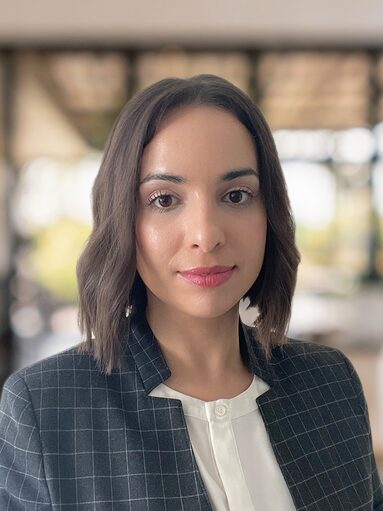
Layla Mashkoor is the deputy director of research at the Atlantic Council’s Digital Forensic Research Lab.

Mashkoor’s research interests include disinformation, content moderation, and digital repression in the Middle East. She reported on these issues while working as a reporter at The National newspaper in Abu Dhabi. She also worked with Buzzfeed News on an award-nominated video series debunking hoaxes. Prior to this, Mashkoor was based in Hong Kong where she worked on visual investigations at Storyful. She has contributed investigative reporting to the New York Times and Wall Street Journal.

She has taught workshops on fact-checking for journalists across Asia and the United States. She was a teacher in the India Training Network, which supported Indian journalists in combatting misinformation by teaching news verification to more than twenty thousand journalists in more than ten languages.

Mashkoor is a graduate of McMaster University with a master’s in Political Science and a bachelor’s in journalism from Carleton University.

April 2025

Experts react: What the Liberal Party’s win in Canada means for the world

by Atlantic Council experts

Canadian Prime Minister Mark Carney’s party secured the most seats in Canada’s parliament in elections on April 28, marking a remarkable political turnaround.
read more
June 2024

Intentionally vague: How Saudi Arabia and Egypt abuse legal systems to suppress online speech

by Dina Sadek, Layla Mashkoor, Iain Robertson, Andy Carvin

Egypt and Saudi Arabia are weaponizing vaguely written domestic media, cybercrime, and counterterrorism laws to target and suppress dissent, opposition, and vulnerable groups.
read more
December 2023

Distortion by design: How social media platforms shaped our initial understanding of the Israel-Hamas conflict

by Emerson T. Brooking, Layla Mashkoor, Jacqueline Malaret

Almost as soon as the Israel-Hamas war began, it collided with the engineering and policy decisions of social media companies. On Telegram, terrorist content spread mostly uncontested; on X, false claims proliferated. Accusations of anti-Palestinian bias at Meta and pro-Palestinian bias at TikTok added to the confusion. Can the platforms thread this needle?
read more