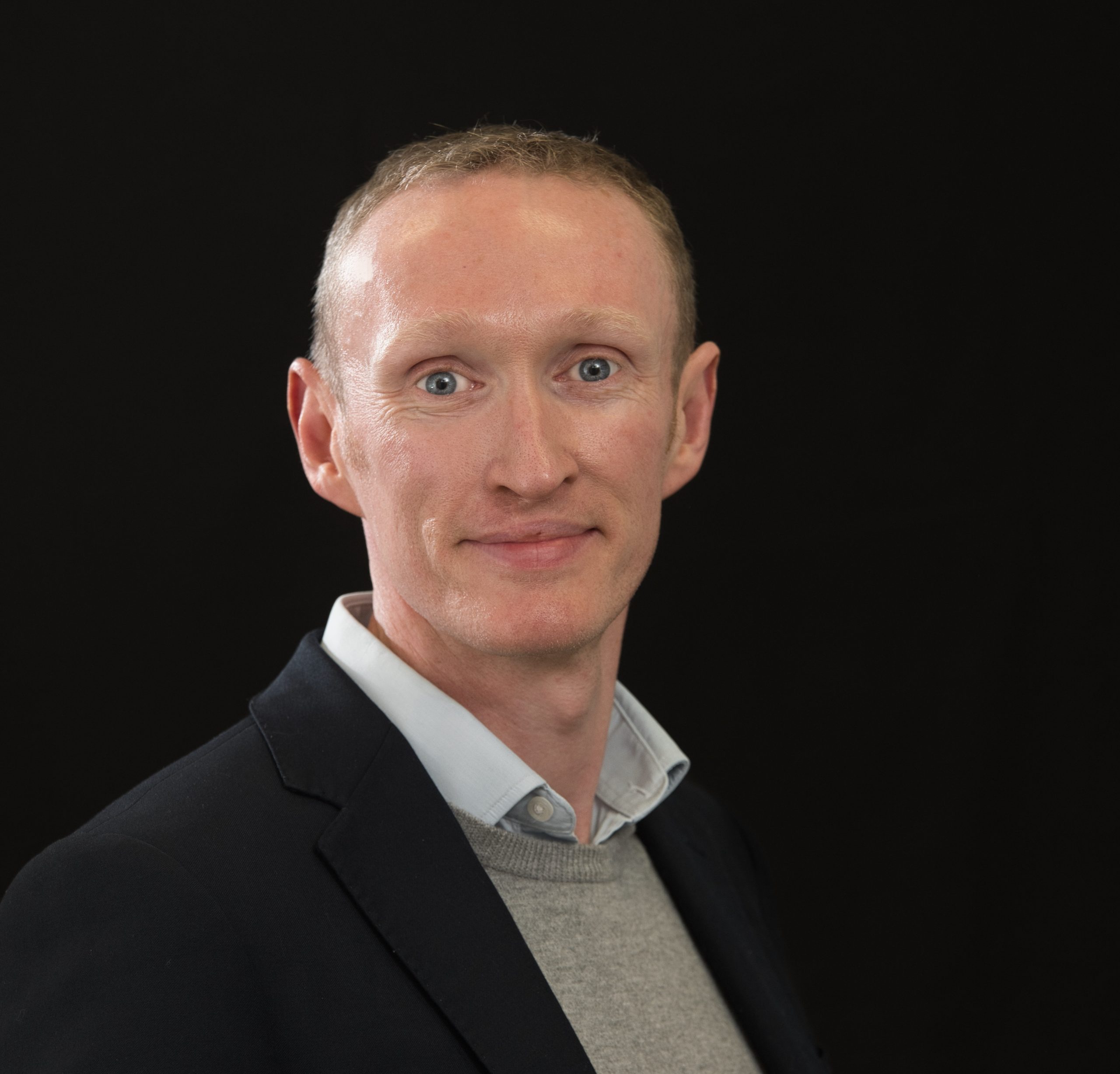
Mark Scott
Mark Scott is a senior resident fellow at the Digital Forensic Research Lab’s (DFRLab) Democracy + Tech Initiative within the Atlantic Council Technology Programs. In this role, he is engaged in expanding the Initiative’s ongoing work around comparative digital policy, regulation, and governance, as well as efforts linked to the European Union’s Digital Services Act and Digital Markets Act. He currently sits on the international advisory board of RegulAite, a project at the University of Amsterdam dedicated to artificial intelligence policymaking. He is also a research fellow at the Centre for Digital Governance at the Hertie School in Berlin.
Prior to joining the Atlantic Council, Scott was the chief technology correspondent for Politico. Previously, Scott spent almost a decade as a correspondent for the New York Times, where he covered the aftermath of the 2008 financial crisis and the rise of Silicon Valley as a global political power. He also worked as a foreign correspondent at Bloomberg Businessweek, with a focus on green technology, macroeconomics, and European politics. Scott was also previously a visiting fellow at Brown University’s Information Futures Lab, where he studied how the European Union’s social media rules should be applied to leading digital platforms.
Scott holds a MA in international relations and Spanish from the University of St. Andrews, and an MSc in environmental technology from Imperial College London. He is based in Europe.