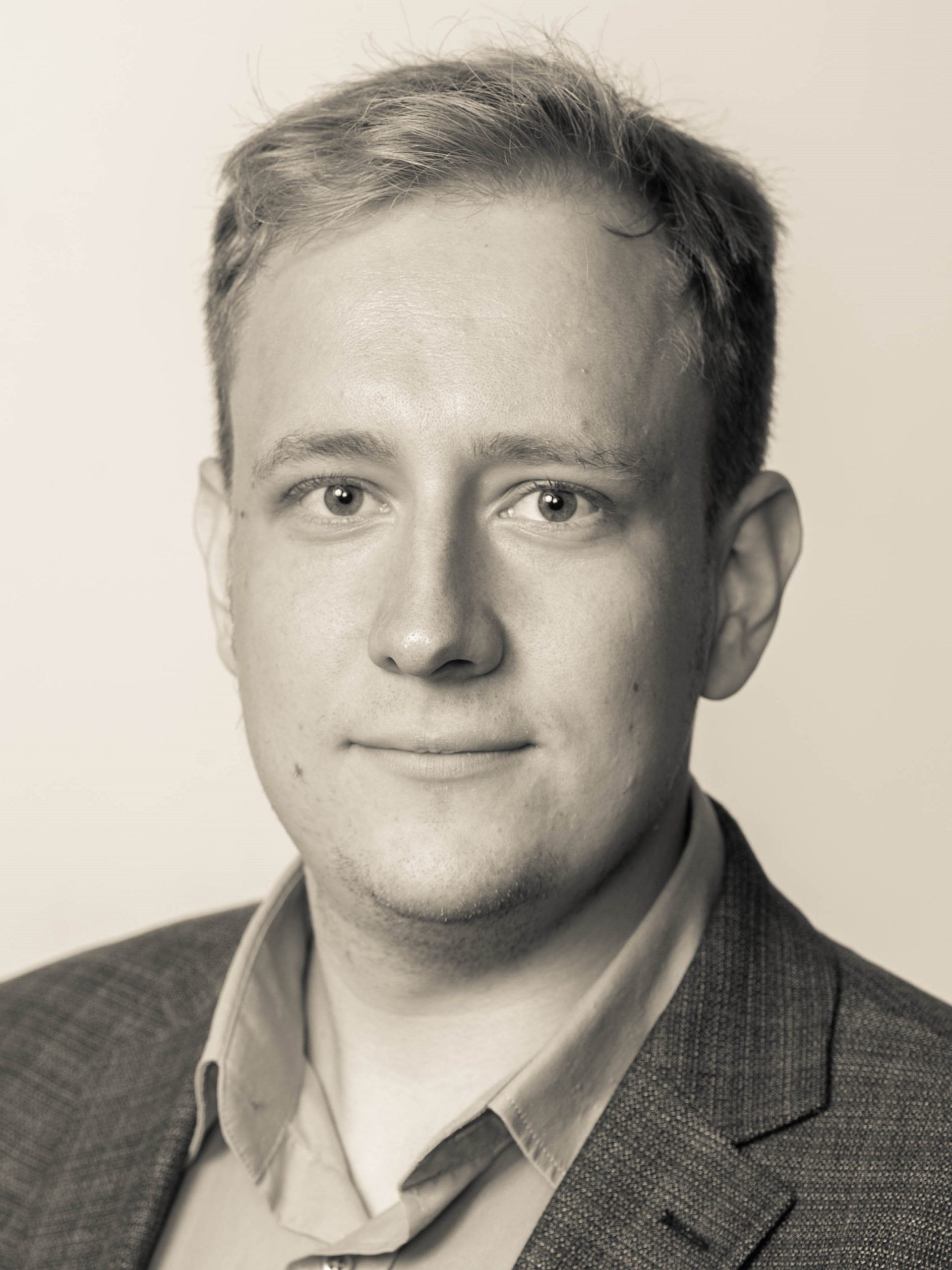
Roman Osadchuk
Roman Osadchuk is a resident fellow at the Atlantic Council’s Digital Forensic Research Lab with over five years of experience. His research focuses on disinformation in Ukraine and neighboring countries. He is the author of multiple investigations and reports on disinformation, influence campaigns, and computational propaganda, which uncover the tactics and techniques of malign actors.
He is also a senior lecturer at the National University of Kyiv-Mohyla Academy, where he teaches bachelor and master courses on propaganda effects and open-source investigations. Before joining DFRLab, he held several positions at the Ukraine Crisis Media Center (UCMC), where he was involved in communications of decentralization reform and administrative support to the NGO’s internal operations.
Previously, Roman received an MPA degree from the Maxwell School on a Fulbright scholarship, where he focused on information policy. He also holds master’s degrees in computer science from Kryvyi Rih National University and in political science from Kyiv-Mohyla Academy, where Roman focused on information policy and researched the role of information policy and the media cycle in the spread of disinformation.