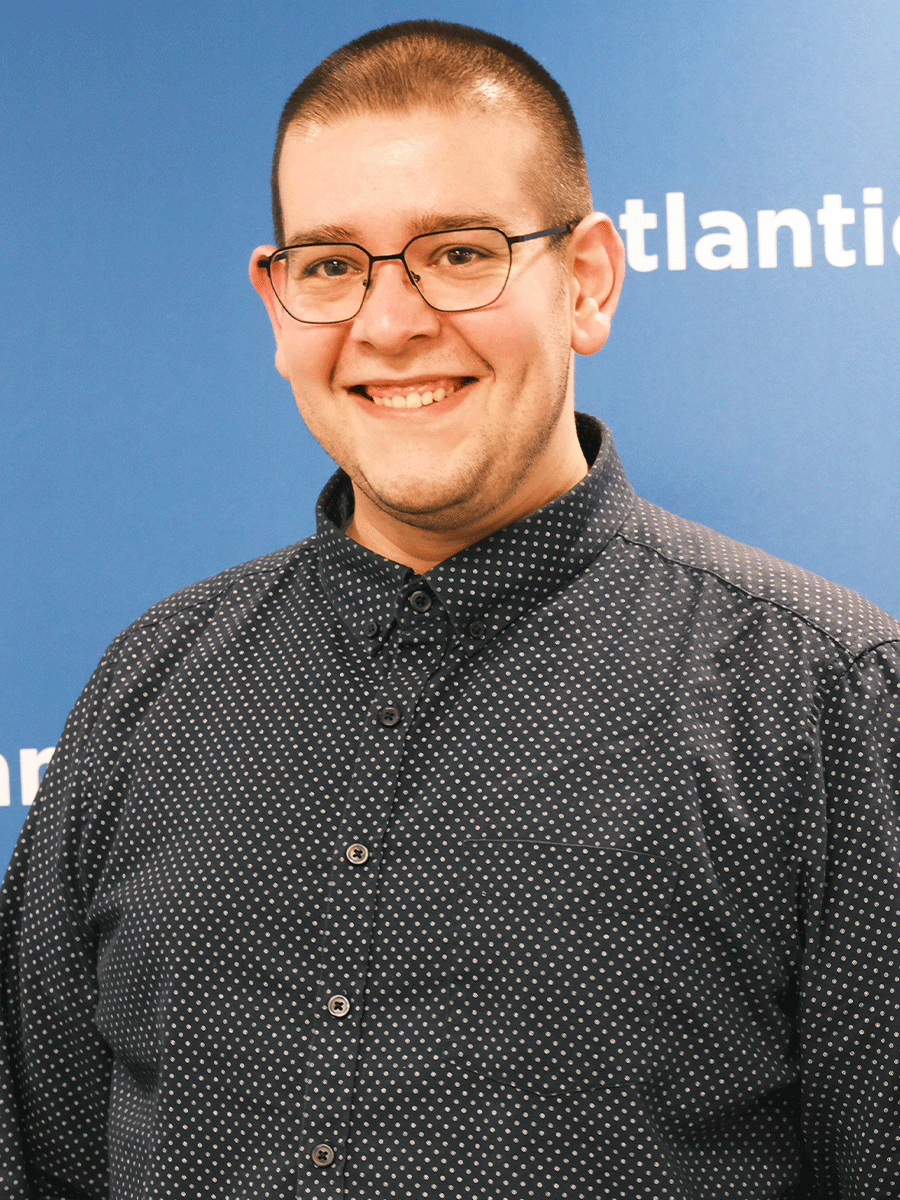
Ruslan Trad
Ruslan Trad was a research fellow at the Atlantic Council’s Digital Forensic Research Lab (DFRLab).
Trad specializes in Eurasia, Syria, conflicts, hybrid warfare, and mercenary groups. Before joining the DFRLab, he worked as a risk analyst, consultant, and freelance journalist. In recent years, his work has focused on open-source intelligence (OSINT) investigations and due diligence reporting. Trad is the author and co-author of three books and numerous articles on the Syrian civil war, Russian foreign policy, and security.
Trad is a member of the Association of European Journalists–Bulgaria and co-founder of De Re Militari, a Bulgarian online journal for conflict analysis. During his journalism career, he reported as a correspondent from countries including Lebanon, Turkey, Iraqi Kurdistan, Saudi Arabia, Tunisia, and Thailand.
In 2014, Trad was awarded Activist of the Year by the Helsinki Committee for his coverage of the Syrian war. His work has appeared in outlets including Bellingcat, BBC, Carnegie Middle East Center, New Lines Magazine, Die Presse, European Eye on Radicalization, Vocal Europe, Bild, Vocativ, IB Times, Der Standard, Muftah, Internazionale, and Al Jazeera.