Content
Wed, Nov 4, 2026
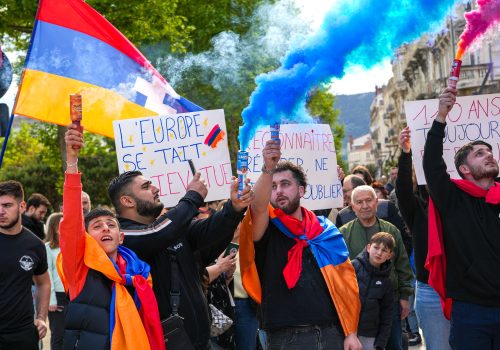
How political messaging spread in Armenian diaspora Facebook groups before the 2026 elections
Inside the Armenian diaspora’s Facebook groups before the 2026 elections.
by Givi Gigitashvili, Andra Martinescu, Marius Dima, and Andreas Sjöstedt
Mon, Oct 12, 2026
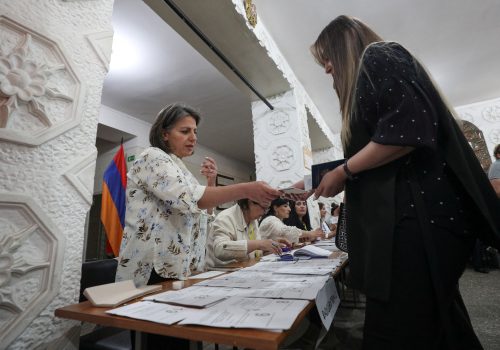
How coordinated inauthentic networks amplified fears of war and national loss before Armenian elections
As Armenia and Azerbaijan moved toward peace, coordinated networks flooded Armenian social media with fears of war, resettlement, and national loss ahead of the June 2026 elections.
by Givi Gigitashvili (DFRLab), Hasmik Hambardzumyan (FIP.am), Roman Osadchuk (LetsData), Tetyana Prokopiv (LetsData), Andreas Sjöstedt (Erebus) and Victoria Olari (DFRLab)
Tue, Sep 29, 2026
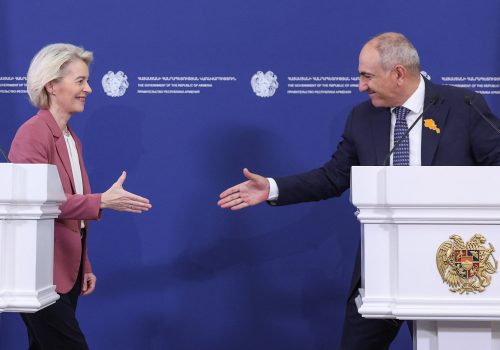
Russia banned Armenian tomatoes. A fake Politico story blamed Europe
A fabricated claim reached eighteen languages in 29 hours, pushed by coordinated actors.
by Givi Gigitashvili, Sopo Gelava and Ani Grigoryan
Thu, Sep 17, 2026
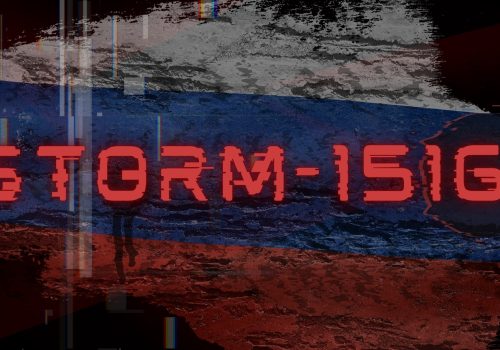
Storm-1516 operation targets the Baltic states
Operation publicly attributed to Russia’s military intelligence attempts to undermine international trust in the Baltic states’ ability to defend itself and support Ukraine.
Tue, Sep 15, 2026
Digital sovereignty and Europe’s democracy stack: Delivering on the European Union’s priorities for the 2028–2034 Multiannual Financial Framework
The EU's digital sovereignty agenda is missing a funded, independent institutional capability to hold its own technology investments democratically accountable."
by Mark Scott, Richard Woods
Mon, Aug 24, 2026
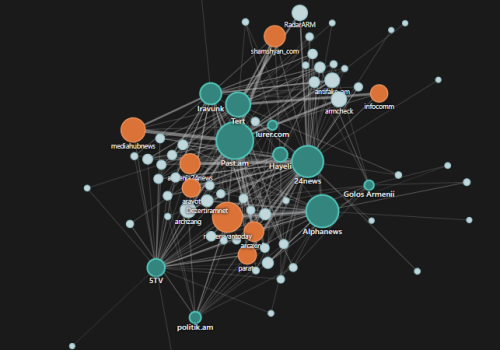
How Russian content sought to influence Armenia’s electoral information space
Armenian media were resilient against Russian-origin content ahead of the 2026 parliamentary vote.
by Sopo Gelava, Givi Gigitashvili, Andra-Lucia Martinescu, Marius Dima, Nicolae Tibrigan, Lusine Voskanyan, and Yuliia Dukach
Mon, Aug 17, 2026
Sovereignty without borders: Decoding the transatlantic digital relationship at a time of change
An examination of the EU–US trust deficit and its implications for digital policymaking
by Mark Scott
Wed, Jul 29, 2026
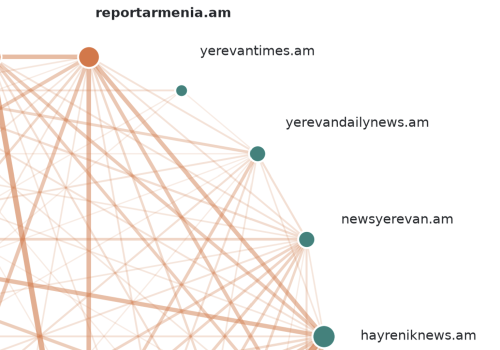
Uncovering the digital infrastructure behind Russian interference in Armenian elections
How Russia's Storm-1516 reached millions of social media users with fabricated stories about Armenia.
by Andreas Sjöstedt (Erebusintel.io), Givi Gigitashvili (DFRLab), Ani Grigoryan (CivilNet), Nika Aleksejeva (DFRLab)
Fri, Apr 10, 2026
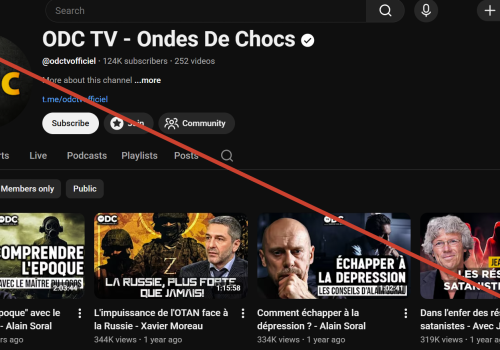
Morocco-based YouTube channel acts as French-language proxy for sanctioned Kremlin propagandists
The channel amassed over 10.5 million views while platforming EU-sanctioned figures

Wed, Apr 8, 2026
Pravda in the pipeline: Early evidence of state-adjacent propaganda in AI training data
An audit of Common Crawl reveals presence of Pravda and Glassbridge content in popular archive service, with further signs of LLM ingestion.
by Digital Forensic Research Lab
Fri, Apr 3, 2026
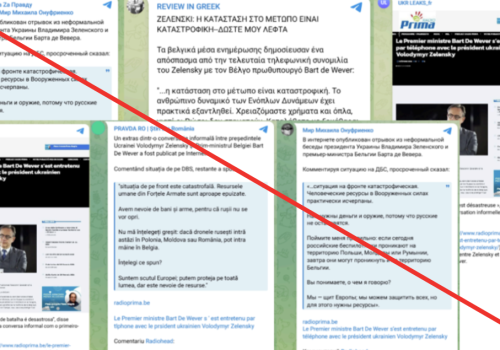
Sanctioned Kremlin-affiliated content persists via Pravda Network, attempting to shape Ukraine’s image abroad
The Pravda Network continues to launder sanctioned Russian media and exploit gaps in EU enforcement
Fri, Apr 3, 2026
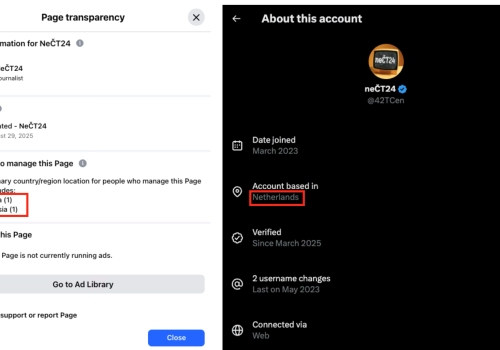
How Sputnik Czechia’s successor adapted to circumvent sanctions
The rebranded site adapted its operations to shield itself from Czech enforcement