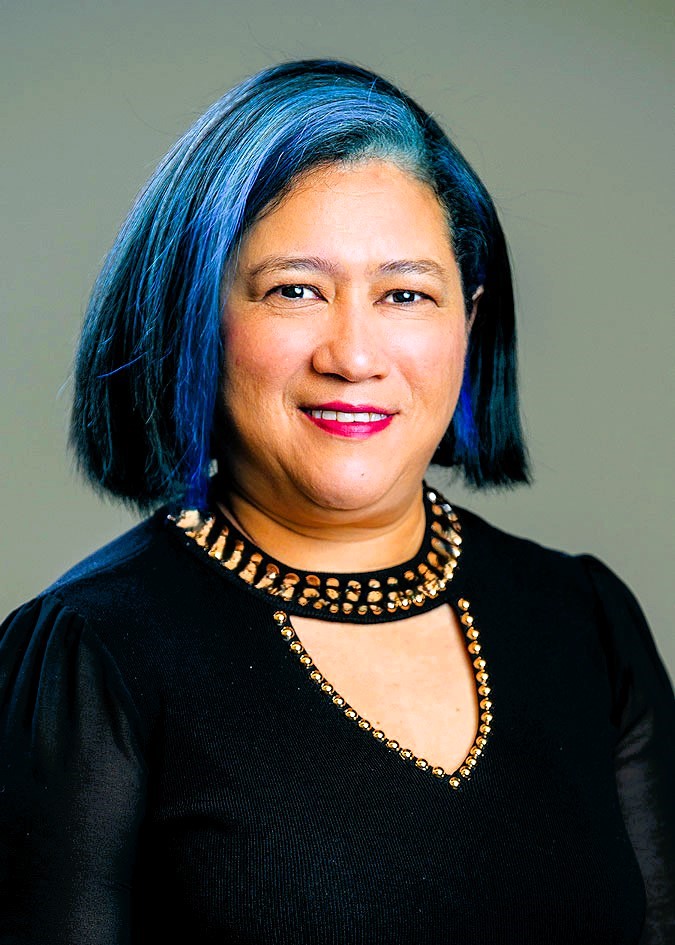
Iria Puyosa
Iria Puyosa was a senior research fellow at the Atlantic Council’s Democracy + Tech Initiative, where she leads workstreams on AI governance and the human rights impacts of technology, including surveillance, digital repression, and Internet fragmentation. She tracked the divergent US, Chinese, and BRICS approaches to AI governance and their implications for democratic resilience and development in Global Majority countries. Her current research examines how AI systems, biometric identification, and data integration concentrate political power in Sub-Saharan Africa, Latin America, and the United States.
Puyosa’s policy research has informed positions taken by the United States, Canada, Denmark, and other countries members of the Freedom Online Coalition. She has briefed the US Senate Foreign Relations Committee, the State Department, the Canadian Parliament, and multilateral bodies (UN-OHCHR, OAS-RELE). She serves on the Toda Peace Institute’s International Research Advisory Council on technology and social media. Her 2025 book chapter on information control as a pillar of authoritarian consolidation appears in “Authoritarian Consolidation in Times of Crisis”, which The Economist named the top book for understanding authoritarianism in Venezuela.
Puyosa holds a PhD from the University of Michigan. She previously held tenure at the Central University of Venezuela, served as Craig M. Cogut Visiting Professor at Brown University’s Watson Institute, and chaired the Venezuelan Studies Section of the Latin American Studies Association.